Explore the Puerto Banús to Marbella coastline by boat. Discover scenic routes, swim stops, landmarks, and how to book your coastal tour today.
What Is a Puerto Banús to Marbella Boat Tour
A Puerto Banús to Marbella coast boat tour is a short Mediterranean excursion that runs along one of the most built-up and photogenic stretches of the Costa del Sol. You leave from Puerto Banús Marina, cruise east past Marbella's beachfront hotels and villas, and either turn back or continue toward Marbella Old Town and the harbor near Marbella Marina. Some operators flip the route and head west toward Estepona instead, so check the direction before booking — not every "Marbella coast" tour actually passes Marbella Old Town.
This isn't a wildlife cruise or a long-distance sailing trip. It's a coastal sightseeing run, usually paired with one or two swim stops, that shows off the yachts, the cliffside properties, and the public beaches from a different angle than you get on land. Compare it to a Puerto Banús marina walk followed by a Marbella beach day — the boat tour condenses both into a few hours and adds open water in between.
Why Choose This Coastal Experience
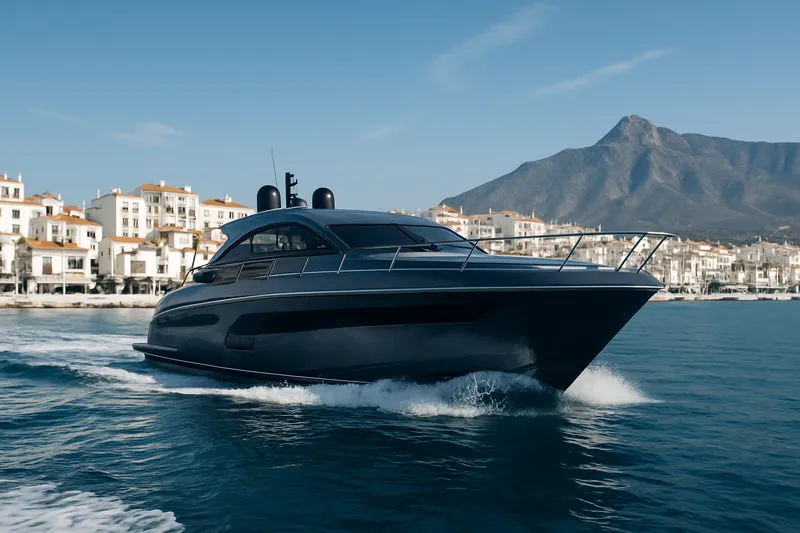
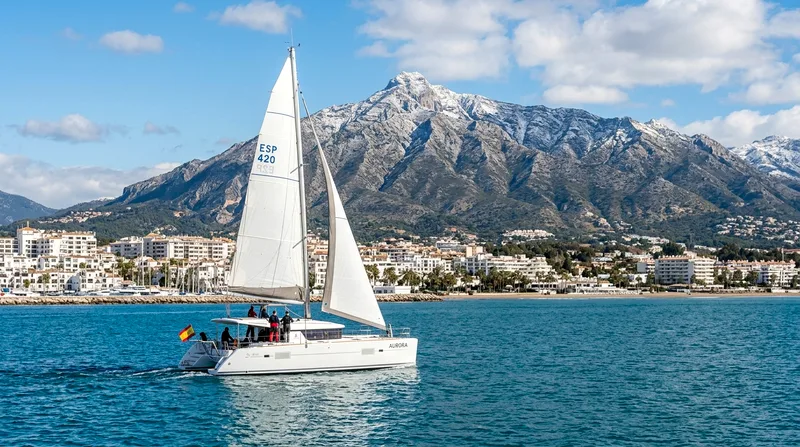
The appeal is perspective. From the water, Puerto Banús looks less like a shopping strip and more like what it actually is — a dense marina backed by mountains, with superyachts moored a few meters from mid-range sailboats. Marbella's coastline, seen from a boat, reveals how much of the development sits right on the sand, something you don't notice walking the paseo marítimo.
It also solves a practical problem: Marbella's best coves and quieter swim spots aren't easy to reach on foot. A boat gets you to patches of coastline between the city beaches and Puerto Banús that have no road access, which is the main reason to book this over a land-based beach day.
Tour Duration and Distance Covered
Most tours run 2 to 4 hours. The straight-line distance between Puerto Banús and Marbella Old Town is roughly 8 kilometers (about 5 miles), which a motor catamaran covers in 25-40 minutes each way at cruising speed — the rest of the time goes to swim stops, slow sightseeing passes near the coast, and loading/unloading at the marina.
Half-day charters (4-6 hours) extend further, sometimes reaching toward Estepona to the west or just short of Fuengirola to the east, though that's a longer haul and less common for a standard shared tour. If you only have a morning free, stick to the 2-3 hour version — anything shorter barely clears the marina entrance before turning back.
Popular Routes and Coastal Landmarks
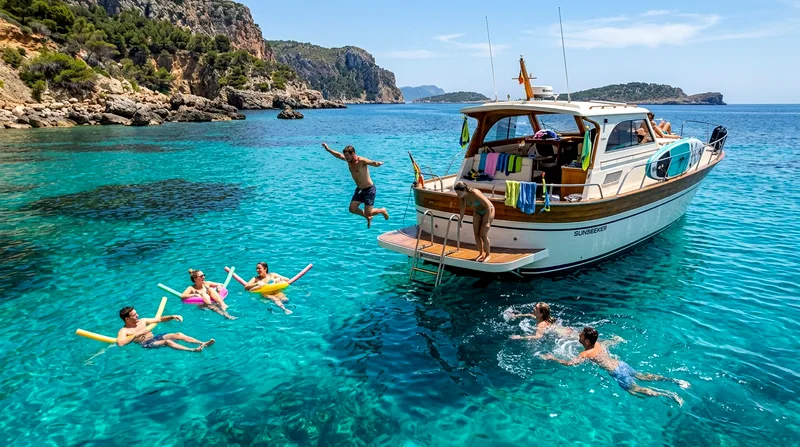
The default route runs east from Puerto Banús along Marbella's shoreline, passing a continuous run of beach clubs, apartment blocks, and a handful of recognizable villas before the coastline opens up near Marbella's older districts. It's dense with buildings for most of the way — don't expect isolated nature scenery like you'd get on a Nerja boat trip past the Maro cliffs. This route sells itself on real estate and marina culture, not wilderness.
Eastern Route Highlights and Stops
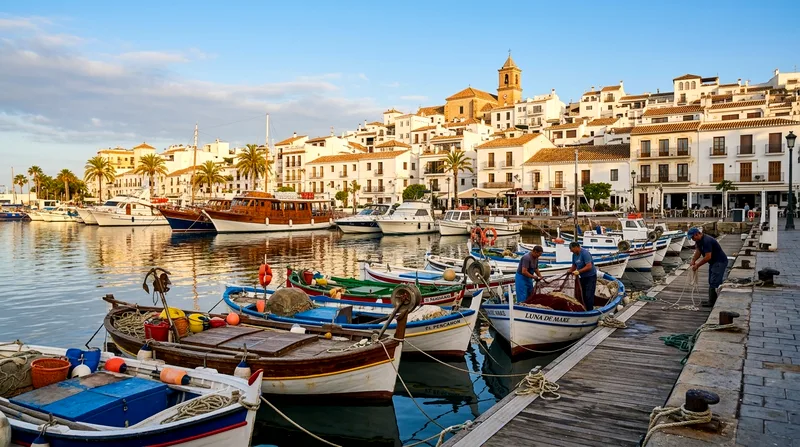
Heading east from Puerto Banús, boats typically pass in front of Puerto Banús's own outer breakwater, then run parallel to Nueva Andalucía and the beachfront hotels along Marbella's western beaches. Many tours slow down near the Marbella Club area, a stretch with some of the coast's older luxury properties, before continuing toward the harbor. If the tour extends further east, it may approach the edge of town near Marbella's fishing port, a smaller and less polished harbor than Puerto Banús or Marbella Marina — worth pointing your camera at for contrast.
The tradeoff with the eastern route is boat traffic. Afternoons in July and August bring heavy jet-ski and tender traffic near the marina mouths, so the first 15 minutes out of Puerto Banús can feel more like a parking lot than a cruise.
Marbella Old Town Approach and Views
Tours that run the full distance reach the waterfront near Marbella Old Town and Marbella Marina, where the view shifts from villas to a lower, older skyline — whitewashed buildings, the Alameda park's edge, and the public beach promenade. This is the most distinct landmark on the route, and it's the main reason to choose a tour advertised as going all the way to Marbella rather than one that just loops around Puerto Banús.
Not every operator actually docks or stops here — some just do a drive-by before turning around, which matters if seeing Old Town up close is your reason for booking. Ask specifically whether the itinerary includes a pass close to the Marbella Marina breakwater or just a distant view from open water.
Swimming Stops and Water Activities
Swimming is usually the actual highlight, even though the marketing leans on landmarks. Most 3-4 hour tours anchor once or twice in open water off the coast between Puerto Banús and Marbella, away from the crowded public beaches, for 30-60 minutes of swim time per stop.
Typical Swim Locations and Water Depth
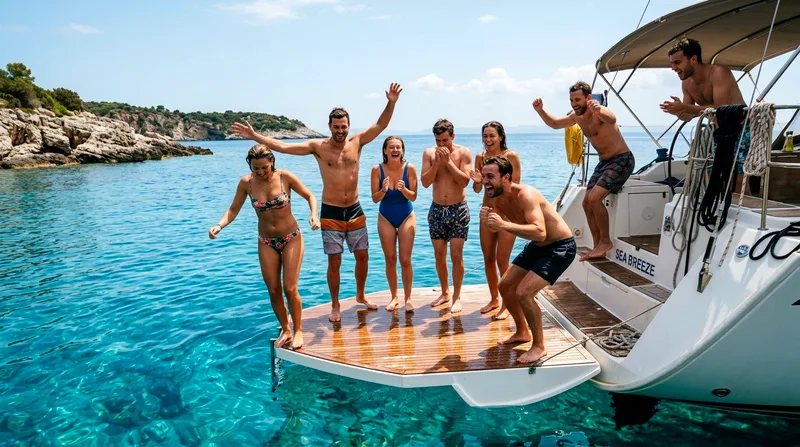
Boats generally anchor a few hundred meters offshore in water 4 to 10 meters deep, clear of swim zones and beach flags, which means you're not wading in — you're jumping or climbing down a ladder straight into open water. That's fine for confident swimmers but a real consideration for young kids or nervous swimmers, since there's no shallow entry point like you'd get at a beach in Fuengirola or Benalmádena.
Expect a swim platform, a ladder, and possibly a rope line thrown around the boat. Life jackets are standard safety kit on board but aren't always offered proactively — ask for one if you want it rather than assuming it'll be handed to you.
Snorkeling and Beach Club Options
Snorkeling gear is sometimes included, sometimes a paid extra — visibility along this stretch is average at best, nothing like Gibraltar's rockier dive sites or the clearer patches near Estepona's eastern coves. Don't book this route specifically for snorkeling; book it for the swim and the view, and treat snorkeling as a bonus if the kit happens to be free.
Some tours combine the boat trip with a stop at a beach club along the Marbella coast, letting you disembark for lunch or drinks on land before heading back. That's a reasonable option if you want solid ground and a proper toilet break, something open-water anchoring doesn't offer.
How to Visit: Independent vs. Guided Tours
You have two real choices: book a private boat through a charter platform, or join a shared catamaran tour with a fixed group. Both work; they suit different budgets and different tolerance for strangers on deck.
Shared catamaran tours cost less per person and need no planning, while private charters cost more but give full control over route and timing.
Puerto Banús to Marbella coast boat tour options compared
| Option | Typical Duration | Group Size | Price Range | Best For |
|---|---|---|---|---|
| Shared catamaran tour | 2-4 hours | 15-40 people | €35-€75 per person | First-time visitors, solo travelers, couples |
| Private skippered boat | 4-6 hours | 4-8 people | €300-€600 half day | Small groups wanting flexibility |
| Luxury yacht charter | 4-8 hours | Up to 12 people | €1,000+ | Special occasions, full privacy |
| Sunset catamaran cruise | 2-3 hours | 20-40 people | €45-€90 per person | Couples, evening views, drinks included |
Prices are typical ranges based on standard Costa del Sol charter and tour listings; always check current prices and availability when booking.
Private Boat Rental and Self-Guided Options
Platforms like Click and Boat let you rent a boat directly from a private owner in Puerto Banús or Marbella Marina, with or without a skipper. A skippered day rental for a small motorboat or RIB generally runs from around €300-€600 for a half day, depending on boat size and season — you set the route, the swim stops, and the timing yourself.
This suits groups of 4-8 who want privacy and flexibility, and who don't mind the extra planning. The downside: you're responsible for weather judgment calls, and if you don't know the coastline, you can waste an hour just deciding where to anchor. If you want structure, a private rental is the wrong choice.
Group Tours and Catamaran Experiences
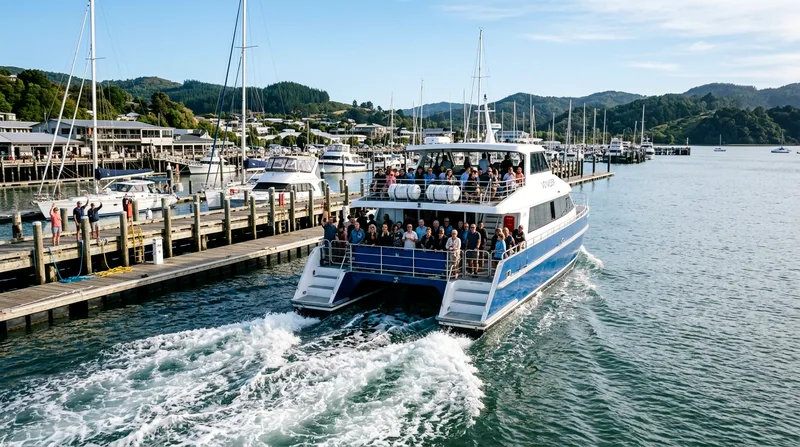
Shared tours — the kind booked through GetYourGuide or similar platforms, often run by operators like Royal Catamaran Marbella — put you on a larger boat with other travelers, typically 15-40 people, for a fixed 2-4 hour itinerary with set swim stops and a running commentary or music onboard. Onboard amenities often include a basic bar service (soft drinks, sometimes sangria or beer included, spirits extra) and shaded seating areas.
This is the easier, cheaper option per person and the better choice for solo travelers or couples who don't want to organize anything. The tradeoff is less control over timing and a louder, more packed deck — if you want quiet, a 40-person sunset catamaran out of Puerto Banús in August is not that.
Booking, Pricing, and Best Times
Shared catamaran tours typically run €35-€75 per person for a 2-3 hour daytime trip, rising for sunset departures with drinks included. Private charters scale with boat size, starting around €250-€300 for a small skippered boat for half a day and climbing past €1,000 for larger yachts with crew. Always compare current boat tours and prices before you book, since platforms like GetYourGuide and TripAdvisor show live availability that shifts by season and weekday.
Seasonal Considerations and Weather Impact
May through September is peak season on this stretch of the Mediterranean Sea, with the calmest water typically in June and early July before the August crowds hit. Afternoon winds — locally called the levante or poniente depending on direction — can kick up a swell strong enough to cancel swim stops or shorten the trip, so morning departures tend to be smoother than 4pm ones. Winter tours exist but are limited; many operators pause entirely from December through February.
Watch out for operators who won't commit to a swim stop until the day of departure — that's normal given weather variability, but it means a swimming-focused booking in shoulder season (April or October) carries real cancellation risk.
Nearby Activities and Combination Packages
Some packages bundle the boat tour with a Puerto Banús marina walking tour or a transfer from Málaga, useful if you're based there rather than in Marbella itself. Families often pair the coastal cruise with a land-based day in Benalmádena or Fuengirola later in the trip, since those towns offer calmer, shallower beaches better suited to small children than the open-water swim stops on this route.
Frequently asked questions
How long is the boat tour from Puerto Banús to Marbella?
Most tours last 2 to 4 hours total, including travel time and one or two swim stops. The one-way cruise between Puerto Banús and Marbella Old Town covers about 8 kilometers and takes roughly 25-40 minutes by catamaran, so the bulk of the trip is spent anchored or cruising slowly along the coast rather than in transit.
What are the main landmarks on the coastal route?
Expect views of Puerto Banús Marina's yacht rows, the beachfront hotels and villas of western Marbella, the older Marbella Club area, and — on tours that go the full distance — the waterfront near Marbella Old Town and Marbella Marina. Some extended routes glimpse Marbella's smaller fishing harbor before turning back.
Are there swimming stops included in the tour?
Most 3-4 hour tours include one or two swim stops in open water, typically anchored a few hundred meters offshore in water 4-10 meters deep. Shorter 2-hour tours sometimes skip swimming entirely, so confirm this detail before booking if a swim stop is the main reason you're going.
How much does a Puerto Banús to Marbella boat tour cost?
Shared catamaran tours generally run €35-€75 per person for a daytime trip, with sunset or drinks-inclusive versions priced higher. Private charters start around €300-€600 for a half-day skippered boat and rise well past €1,000 for larger crewed yachts — check current listings on platforms like GetYourGuide or Click and Boat for live pricing.
What is the best time to book this boat tour?
Book for morning departures between May and September for the calmest water, with June and early July typically offering the best balance of good weather and lighter crowds than peak August. Afternoon trips are more prone to wind and swell, which can shorten or cancel swim stops, particularly in shoulder months like April or October.