Complete Puerto Banús marina guide for boat tours: departure docks, parking, directions, and pre-boarding tips for your Marbella boat trip.
Getting to Puerto Banús Marina
Puerto Banús sits roughly 7 kilometers west of central Marbella, right on the Costa del Sol's main coastal strip between Marbella town and Estepona. It's one of the most recognizable marinas on this coast — more polished than the fishing harbor feel of Estepona, busier and flashier than Benalmádena's marina further east. If you're coming from Málaga, expect a 50 to 60 minute drive along the AP-7 toll road or the slower, free A-7, depending on traffic and whether you mind paying the toll (usually €5-9 depending on entry point).
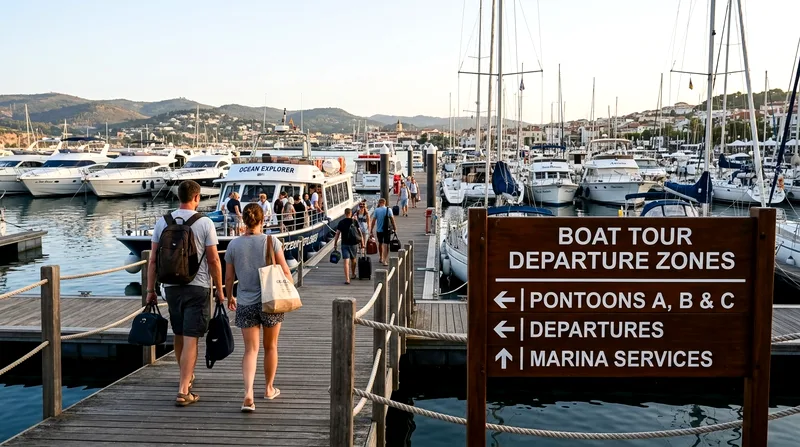
The marina has its own exit off the A-7, clearly marked "Puerto Banús," and from Marbella town it's a straight 10-15 minute drive along the coastal road. Signage in the area is decent, though GPS apps sometimes route you to the back streets of the shopping complex instead of the marina front — if that happens, just follow signs toward "Puerto Deportivo" rather than the generic "Puerto Banús" pin.
By Car from Marbella Town
Driving from Marbella's old town or the Golden Mile hotels, you'll take the N-340/A-7 westbound. Traffic through Nueva Andalucía and past the Puerto Banús roundabout gets heavy between June and September, especially from 11am onward when day-trippers and beach traffic converge. Budget 20-25 minutes in peak summer traffic for what's normally a 10-minute drive. If your tour departs in the morning, this is rarely an issue — afternoon departures in July and August are where delays bite.
Public Transport Options
The L2 bus line connects Marbella's bus station to Puerto Banús, running roughly every 20-30 minutes and costing around €1.30-1.50 per journey. It's a reasonable option if you're not driving, though it drops you near the main avenue, not directly at the marina gate — expect a 5-8 minute walk from the bus stop to the dock area. Taxis from Marbella town run about €15-20 depending on time of day; from Málaga airport, a taxi to Puerto Banús typically costs €55-70, which is steep enough that many visitors prefer a rental car or a pre-arranged transfer instead.
Marina Layout and Boat Tour Zones
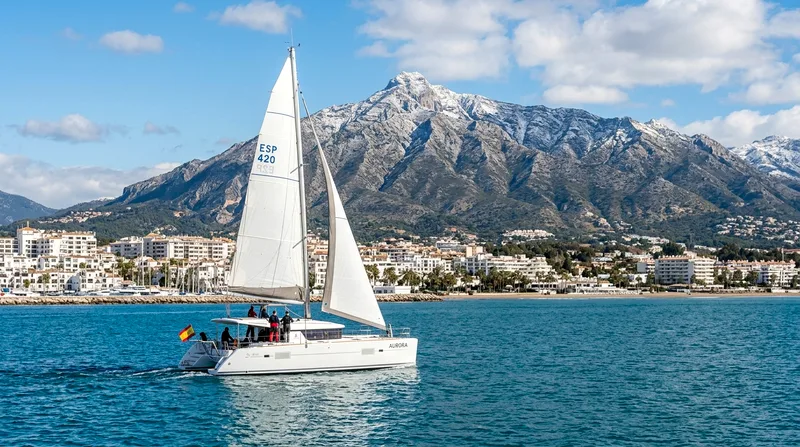
Puerto Banús marina is built around a horseshoe-shaped basin, with the famous promenade — lined with restaurants, designer shops, and the row of superyachts everyone photographs — running along the western and northern edges. Boat tours, catamarans, and smaller charter vessels typically operate from the eastern pontoons and the outer breakwater area, away from the luxury yacht berths that dominate the postcard shots. This matters: if you walk toward the flashiest boats expecting to find your tour, you're probably in the wrong spot.
The marina layout isn't signposted with a single master map at the entrance, which catches people out. There are directional boards near the main pedestrian entrances listing berth numbers, and most tour operators will specify a pontoon letter and berth number in your booking confirmation — that's the detail to actually rely on, not the general "Puerto Banús marina" address.
Main Departure Docks
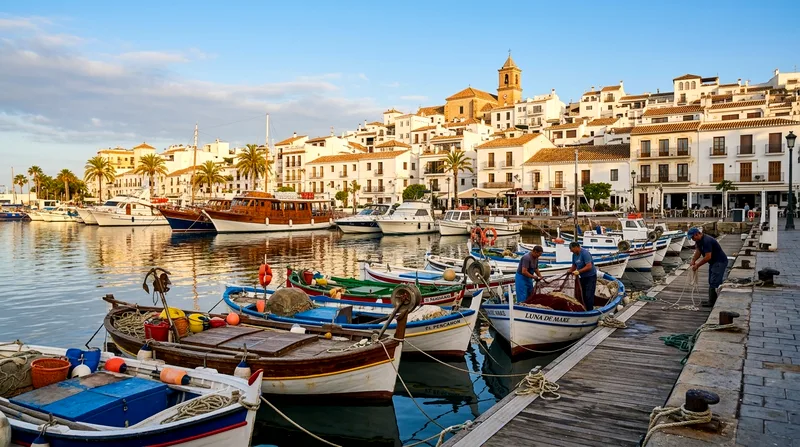
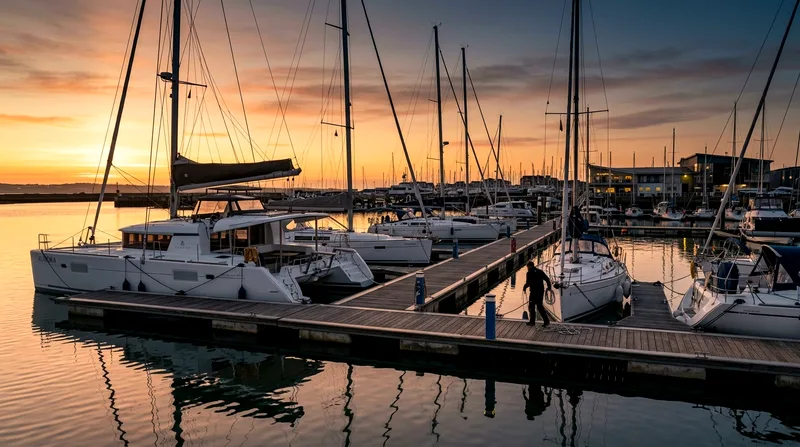
Most boat tours — half-day Mediterranean cruises, sunset catamaran trips, fishing charters — depart from the pontoons on the eastern side of the basin, closer to where the marina opens toward the sea. This area is less congested with foot traffic than the main promenade, which is dominated by restaurant terraces and shoppers. Larger catamarans and party boats sometimes use the outer wall berths, which have more space for groups to gather before boarding. If your confirmation mentions a specific pontoon (commonly labeled with letters), head there directly rather than wandering the full promenade.
Finding Your Operator
Operators usually have a small stand, flag, or signboard at the head of their pontoon, not a storefront. Staff are generally there 20-30 minutes before departure to check people in. If you can't locate the boat, call the number on your booking confirmation rather than guessing — mobile signal is reliable throughout the marina, and most operators answer quickly during boarding windows. Don't rely on asking random marina staff; security and dock workers often don't know individual tour schedules.
Parking and Arrival Tips
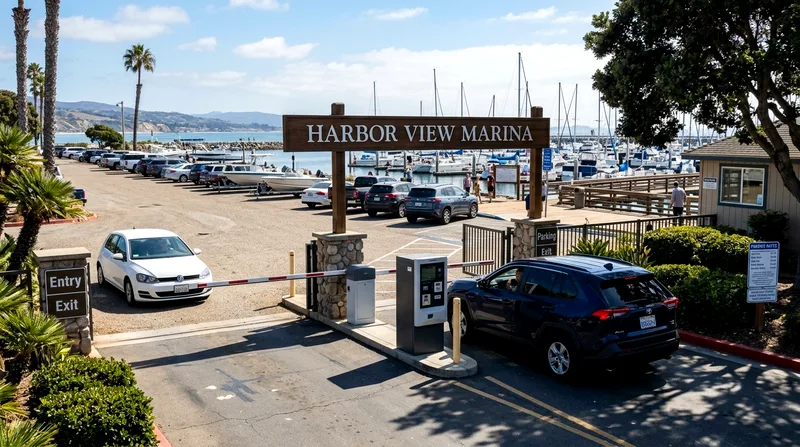
Parking is the part of a Puerto Banús marina guide most people skip past — and the part that causes the most stress on the day. There are several paid car parks directly serving the marina, plus street parking that fills up fast in high season. Don't assume you'll find a free spot on the street in July or August; you likely won't, and circling for twenty minutes eats into your boarding window.
Underground parking near the marina costs more per hour than side streets but saves time you can't afford to lose before a boat tour.
Puerto Banús marina guide: parking and arrival options compared
| Option | Typical Cost | Distance to Docks | Best For |
|---|---|---|---|
| Main underground car park | €3-5/hour, ~€20-25/day | 3-5 min walk | Most visitors, especially in summer |
| Surface lots nearby | €3-4/hour | 5-8 min walk | Shorter visits, off-peak months |
| Street parking (metered) | €2-3/hour | Varies, often 5-10 min | Early arrivals, quieter months |
| Taxi drop-off | €15-20 from Marbella town | At the gate | Those avoiding parking stress entirely |
| L2 bus from Marbella | ~€1.30-1.50 | 5-8 min walk | Budget travelers without a car |
Prices are typical ranges and vary by season and operator; confirm current rates on arrival.
Parking Options and Costs
The main underground car park near the marina entrance charges roughly €3-5 per hour, with daily rates often capped around €20-25 — worth it if your tour runs several hours and you don't want to feed a meter. Smaller surface lots nearby run similar rates. Street parking with pay-and-display meters exists but is limited and heavily used by both tourists and the marina's restaurant crowd. In comparison, parking in Estepona's marina is noticeably cheaper and easier to find, which is one reason some operators based further along the coast feel less rushed on arrival — Puerto Banús trades that convenience for a flashier setting and more departure options.
Recommended Arrival Time
Plan to arrive at the marina at least 30 minutes before your scheduled departure — more like 45 minutes in peak summer if you're driving and parking yourself. This covers finding parking, walking to the correct pontoon, and completing check-in without rushing. Boats generally don't wait for latecomers; a missed departure on a half-day cruise usually means no refund, so the extra half hour is cheap insurance.
Before You Board: What to Know
Boarding procedures at Puerto Banús are fairly informal compared to, say, a Gibraltar dolphin-watching trip where passport checks sometimes apply near the border. Still, a few basics apply across most operators, and skipping them is the easiest way to delay your own boarding — or someone else's.
Check-In and Documentation
Bring your booking confirmation, printed or on your phone, along with a photo ID — passport or national ID card. Most operators check names against a passenger manifest, which is a legal requirement for vessels carrying paying passengers in Spanish waters. If you booked through a third-party platform rather than directly, double check the confirmation includes the correct date and departure time, since schedules can shift slightly with weather, especially on fishing charters and smaller RIB tours.
What to Bring and Wear
Rubber-soled shoes matter more than people expect — marina pontoons and boat decks get slippery, and flip-flops are fine for the dock but risky once you're moving around on deck. Bring sunscreen, a hat, and a light jacket even in summer; wind off the Mediterranean Sea cuts the heat more than you'd think once you're moving at speed. Leave valuables locked in the car rather than carrying everything aboard — space on smaller boats is tight, and most operators don't offer secure storage beyond a dry bag for phones.
Nearby Amenities and Services
One advantage Puerto Banús has over quieter departure points like Sotogrande is sheer density of amenities within a two-minute walk of the dock. You're never far from a bathroom, a coffee, or a last-minute sunscreen purchase, which takes some pressure off pre-boarding logistics.
Restaurants and Cafés
The promenade is lined with cafés and restaurants, ranging from quick coffee-and-pastry counters to pricier terrace restaurants charging Marbella premium rates — expect €4-5 for a simple coffee right on the front. If you've got 30 minutes before boarding, grabbing a quick breakfast here beats doing it on the boat. Avoid the restaurants directly facing the superyacht row unless you don't mind paying extra for the view; a block back, prices drop noticeably.
Shops and Facilities
Puerto Banús has pharmacies, a supermarket-style convenience store, and ATMs within easy walking distance of the docks — useful if you forgot seasickness tablets or need cash for a tip. Public restrooms exist but are limited; using a café restroom after buying a coffee is the more reliable option. Compared to Fuengirola or Málaga's port area, the shopping here leans heavily toward designer boutiques rather than practical essentials, so don't expect to find budget gear last-minute.
Frequently asked questions
How early should I arrive at Puerto Banús marina?
Arrive at least 30 minutes before departure, and closer to 45 minutes between June and September when parking and foot traffic both increase. This covers parking, the walk to your pontoon, and check-in. Boats typically depart on schedule regardless of latecomers.
Where can I park at Puerto Banús marina?
The main underground car park near the marina entrance is the most convenient, charging roughly €3-5 per hour with daily caps around €20-25. Surface lots and metered street parking nearby are cheaper but fill quickly in high season, so don't count on finding street parking after 10am in summer.
How do I find my boat tour operator?
Check your booking confirmation for a pontoon letter or berth number — that's more reliable than the general marina address. Most tour operators set up a small sign or flag at the pontoon entrance 20-30 minutes before departure. If you can't locate it, call the number on your confirmation rather than asking marina security, who usually don't track individual tour schedules.
What documents do I need to board?
Bring a photo ID — passport or national ID card — plus your booking confirmation, digital or printed. Operators check names against a passenger manifest, which Spanish maritime regulations require for any vessel carrying paying passengers.
Are there facilities at the marina before boarding?
Yes. Puerto Banús has cafés, restaurants, a convenience store, pharmacies, and ATMs within a short walk of the docks. Public restrooms are limited, so using a café restroom after a quick coffee is usually the easier option before boarding.