Puerto Banús vs Marbella port boat tour: compare accessibility, pricing, tour variety, and crowds to pick the right departure point for you.
Puerto Banús vs Marbella Port: Quick Overview
Two main departure points serve Marbella's boat tour scene, and the Puerto Banús vs Marbella port boat tour decision comes down to what kind of day you want on the water. Both sit on the same stretch of Costa del Sol coastline, roughly 20 minutes apart by road, and both run everything from two-hour catamaran trips to full-day charters. But the atmosphere, pricing, and booking experience differ enough that picking the wrong one can cost you either money or patience.
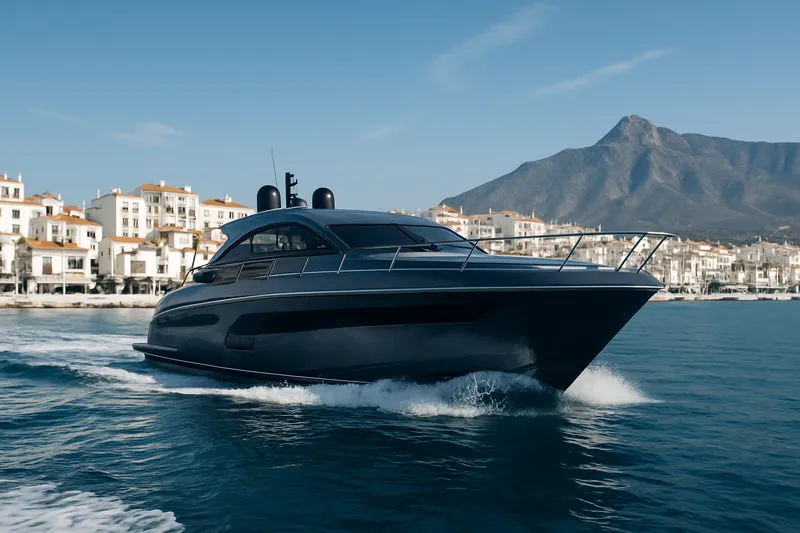
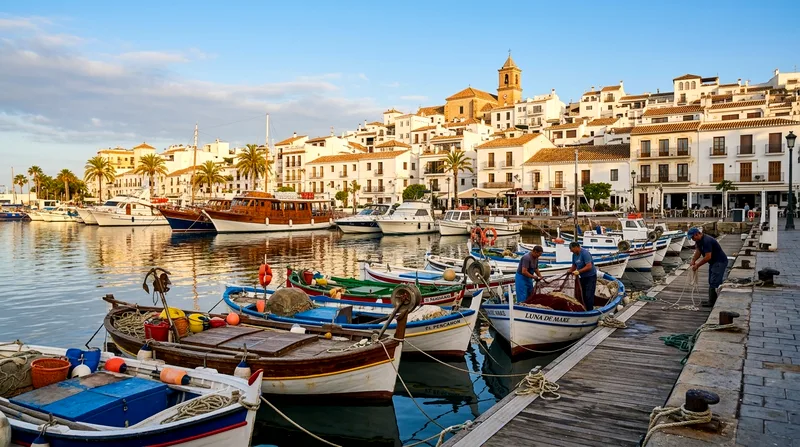
Puerto Banús is the marina built around superyachts, designer shops, and a steady flow of tourists taking photos of boats they'll never board. It's flashy, and the tour operators there know it — pricing tends to sit higher, and the booths selling trips compete loudly for your attention along the boardwalk. Marbella port, sometimes called Puerto Deportivo de Marbella, is a working marina closer to the Old Town, with a mix of local fishing boats, sailing clubs, and tour operators that feel less performative.
If you're the type who wants the boat tour to be part of a bigger night out — dinner, drinks, people-watching — Puerto Banús makes sense as a base. If you want to get on the water, see dolphins or the coastline, and get back to your hotel without a production, Marbella port usually serves you better.
Puerto Banús offers more tour variety and evening departures at a higher price, while Marbella port is cheaper, calmer, and closer to the Old Town.
Puerto Banús vs Marbella port boat tour comparison at a glance
| Departure Point | Distance from Old Town | Typical Price Level | Tour Variety | Crowd Level (peak season) | Parking Ease |
|---|---|---|---|---|---|
| Puerto Banús | approx. 8 km | Higher | Wide (incl. evening/party cruises) | High | Moderate to difficult |
| Marbella Port | approx. 1 km (walkable) | Lower to moderate | Moderate (fewer evening slots) | Moderate | Easy to moderate |
Typical figures based on general marina characteristics; exact prices, schedules, and parking availability vary by season and operator, so check current listings before booking.
What each port offers
Puerto Banús offers a denser cluster of boat tour operators, more private charter options, and party-boat style trips that run into the evening. You'll find jet ski rentals, parasailing add-ons, and multi-stop excursions toward Benalmádena or Fuengirola marketed heavily here. Marbella port offers fewer operators overall but a more straightforward booking process — walk-up kiosks, clearer pricing boards, and shorter queues outside July and August. It also tends to have more small-group fishing charters, since the port still functions as a genuine fishing harbor alongside the leisure boats.
Key differences at a glance
The practical differences break down to three things: price, crowd density, and tour variety. Puerto Banús charges more on average and draws bigger crowds, especially from June through September, but rewards that with a wider menu of tour types — sunset cruises, yacht parties, speedboat adventures. Marbella port is calmer, cheaper, and more locally run, but you'll have fewer departure times to choose from, particularly outside peak season. Neither port is objectively "better" — they're built for different traveler priorities.
Accessibility and Location: Getting to Each Port

Marbella boat tour accessibility depends heavily on where you're staying. Puerto Banús sits about 8 km west of Marbella's Old Town, while Marbella port is practically inside it, a 10-minute walk from the historic center. That single fact decides a lot of itineraries — if you're staying in Marbella proper and don't want to deal with a taxi or bus, the port is simply easier to reach.
Puerto Banús does have better bus connectivity from Fuengirola and Benalmádena, since it sits roughly midway along the coastal road connecting those towns to Marbella. If you're coming from Estepona or even Sotogrande, Puerto Banús is also marginally closer by car. But "closer" doesn't mean "faster" once you account for traffic bottlenecks around the marina entrance in summer, which can add 20-30 minutes during peak hours.
Parking and transportation options
Puerto Banús has several paid parking structures near the marina, typically charging by the hour, but they fill fast on weekends and during the evening party-boat rush. Expect to circle for a spot or pay for a structure a 10-minute walk from the dock. Marbella port has its own parking area directly adjacent to the boats, generally less congested, and it's walkable from several Old Town hotels — which removes the parking question entirely for a lot of visitors. If you're renting a car for your trip, factor in that Puerto Banús parking during August afternoons is genuinely frustrating; arrive at least 30 minutes before your tour's departure time.
Distance from Marbella Old Town
Marbella port's proximity to the Old Town is its biggest practical advantage. You can have lunch in the historic quarter, walk to the dock in under 15 minutes, and be back in time for dinner reservations. Puerto Banús requires a taxi (roughly €15-20 one way from the Old Town) or a bus ride of about 20-25 minutes. For cruise passengers or day-trippers with limited time, that difference alone often settles the decision.
Tour Availability and Route Variety by Departure Point
This is where Puerto Banús earns its reputation. The marina supports a noticeably higher volume of daily departures, more private charter boats for hire, and a broader range of trip lengths — from 90-minute coastal cruises to full-day excursions toward Gibraltar or along toward Málaga. Operators listed on Viator, GetYourGuide, and Tripadvisor show more Puerto Banús-based listings than Marbella port ones, which reflects real booking volume, not just marketing.
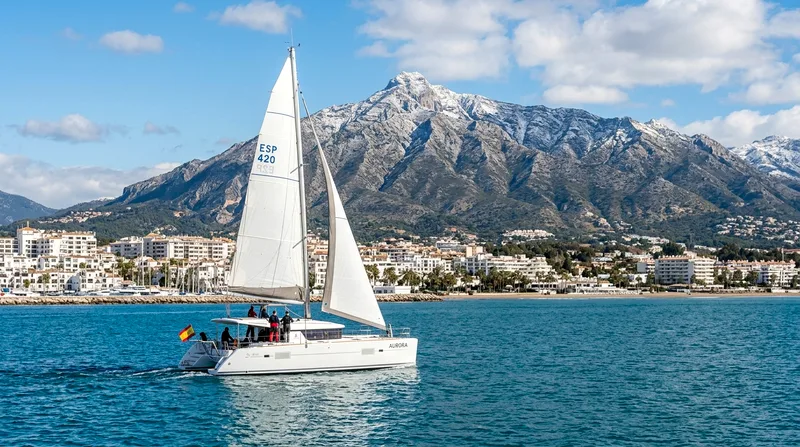
Marbella port's tour availability is thinner but not thin. You'll still find catamaran trips, snorkeling excursions, and smaller fishing charters, and the ones that do run often have more flexible small-group sizes because operators aren't competing with yacht-party traffic. What Marbella port lacks in volume, it sometimes makes up for in personal attention — smaller boats, fewer passengers, captains who know the local reefs rather than just the standard loop.
Frequency and tour types
Puerto Banús typically runs tours at tighter intervals during peak season, sometimes every 30-45 minutes for the popular coastal cruise format, plus evening departures for sunset and party cruises that Marbella port rarely offers. Marbella port tends to concentrate departures around late morning and mid-afternoon, with far fewer evening options — if a sunset cruise is the point of your trip, Puerto Banús is the more reliable bet.
Coastal scenery and marine wildlife viewing
Both ports access the same general stretch of Mediterranean coastline, so dolphin-spotting odds are similar regardless of departure point — pods are commonly seen on routes heading toward Estepona or out past Marbella's coastline in open water. Puerto Banús trips more often swing toward the glitzier coastline near Fuengirola and Benalmádena, with views of coastal development and marina architecture. Marbella port trips skew toward quieter stretches near Marbella's own coast and sometimes toward Nerja-direction routes on longer charters, with a slightly more natural, less built-up backdrop.
Pricing, Crowds, and Experience Comparison
Price is rarely identical for comparable trips, and Puerto Banús consistently sits higher. Part of that is rent — marina berth fees and shopfront costs near luxury retailers get passed to customers. Part of it is demand; tourists walking past expect a premium experience and operators price accordingly. Marbella port operators, working from a less glamorous but still functional marina, tend to undercut Banús prices for similar group boat tours by a noticeable margin.
That said, cheaper isn't always better here. A lower price at Marbella port sometimes means a smaller, older boat or a shorter route. Always check what's actually included — fuel for longer routes, drinks, snorkeling gear — before assuming the price difference is pure markup.
Cost levels and booking flexibility
Puerto Banús offers more booking flexibility simply because there are more operators and more listings across platforms like Viator and GetYourGuide — if one slot is full, another operator a few berths down likely has space. Marbella port has fewer alternatives, so popular time slots during August can sell out with less notice. If you're booking last-minute, Puerto Banús gives you a better shot at finding something same-day.
Peak season crowds and comfort
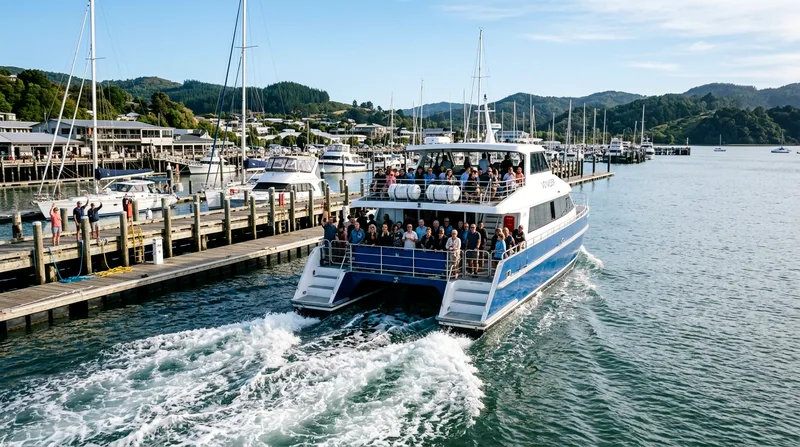
Puerto Banús gets crowded — not just with tourists, but with the general foot traffic of a marina built for spectacle. Boarding during peak July-August afternoons means navigating groups stopped for photos, boat touts, and queues at popular kiosks. Marbella port stays noticeably calmer even in high season; it's still a functioning harbor rather than a tourist stage, so boarding tends to be quicker and less chaotic. If crowd fatigue is a real concern for you, that's a meaningful point in Marbella port's favor.
Which Departure Point Should You Choose?
Your choice depends on priorities. Puerto Banús suits luxury seekers, group celebrations, and anyone who wants options — more boats, more times, more add-ons — even if it costs more and means dealing with crowds. Marbella port works for people who want a straightforward trip: book, walk to the dock, board, go. Neither is a wrong choice; they're built for different trips entirely, and plenty of visitors end up using both on different days of a trip.
Best for budget travelers
If cost matters more than spectacle, Marbella port is the better base. Lower overhead for operators generally translates into lower ticket prices for comparable group tours, and the port's proximity to the Old Town means you save on taxis too. Pair this with traveling in shoulder season — May, early June, or October — and you'll find both availability and pricing noticeably friendlier than a July booking out of Puerto Banús.
Best for convenience and variety
If you want the widest selection of tour types and the flexibility to book same-day, Puerto Banús is hard to beat. It's the better choice for families wanting evening options, groups wanting a party-boat format, or travelers combining a boat tour with a day of shopping and dining at the marina itself. Just budget extra time for parking and extra money for the premium — both are real costs of that convenience.
Frequently asked questions
Which departure point has more boat tour options?
Puerto Banús has more listed operators and departure times, especially for evening and party-style cruises. Marbella port offers fewer options overall but often better availability for small-group or fishing charter trips, particularly outside peak summer months.
How far is Puerto Banús from Marbella port?
They're roughly 8 km apart by road, about a 15-20 minute drive without traffic, or 20-25 minutes by bus. During peak summer traffic around the marina entrances, that drive can stretch to 30-40 minutes, so build in buffer time if you're switching between the two.
Which port is cheaper for boat tours?
Marbella port generally runs cheaper for comparable tour lengths, since operators there have lower marina and retail-adjacent overhead than those based in Puerto Banús. Always compare what's included — route length, drinks, equipment — rather than price alone, since a cheaper Marbella port listing sometimes covers less.
Can you walk between Puerto Banús and Marbella port?
Not practically. The distance is around 8 km along the coastal road, which takes well over an hour and a half on foot, often without a dedicated pedestrian path the whole way. Use a taxi, bus, or rental car instead.
Which departure point is less crowded?
Marbella port stays calmer even during peak season because it functions as a working harbor rather than a tourist attraction in its own right. Puerto Banús draws heavy foot traffic from sightseers and shoppers, which spills over into boarding areas and ticket kiosks during July and August.