Marbella parasailing guide: heights, weight limits, prices, and launch points. Know what to expect before booking your Mediterranean flight.
What Is Parasailing and Why Visit Marbella
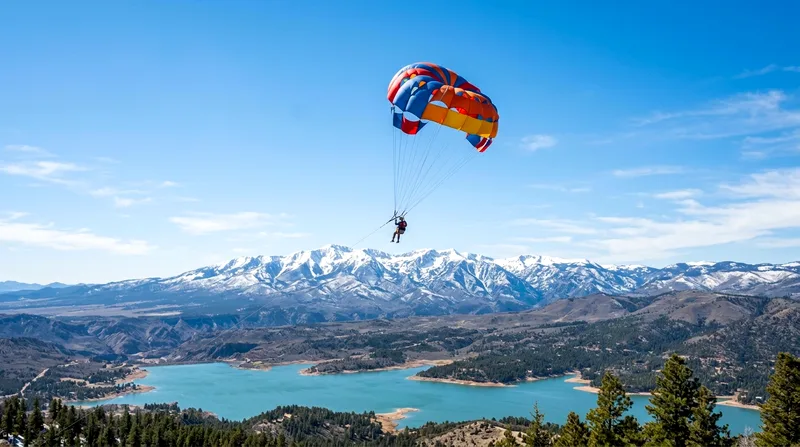
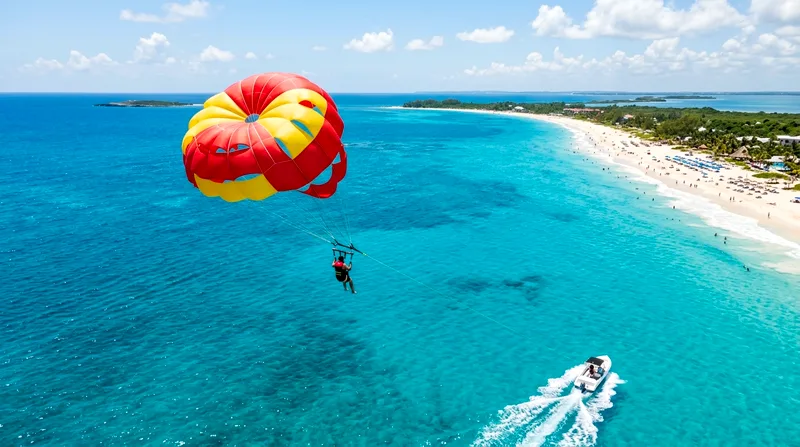
Marbella parasailing puts you in a harness under a parachute-like canopy, towed behind a speedboat on a long line, climbing to altitude over open water before being reeled back in. You don't jump, you don't steer, and you don't need any prior experience. It's one of the few adventure activities on the Costa del Sol that genuinely works for a seven-year-old and a seventy-year-old on the same boat trip, within the operator's listed age and weight rules.
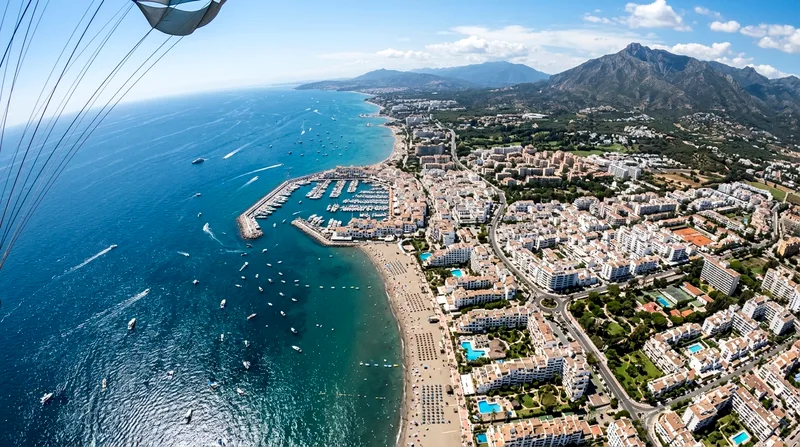
The appeal in Marbella specifically comes down to geography. The bay sits in a natural curve of coastline backed by the Sierra Blanca mountains, so the view from altitude isn't just sea — it's a layered shot of beach clubs, marinas, and foothills in one frame. Compare that to Fuengirola or Benalmádena, where the coastal strip is flatter and more built-up; the backdrop from altitude is mostly rooftops. Marbella's mix of mountain and coast gives photos more depth, which is part of why it's consistently recommended on TripAdvisor threads about Costa del Sol parasailing over flatter stretches of coast.
The Parasailing Experience Explained
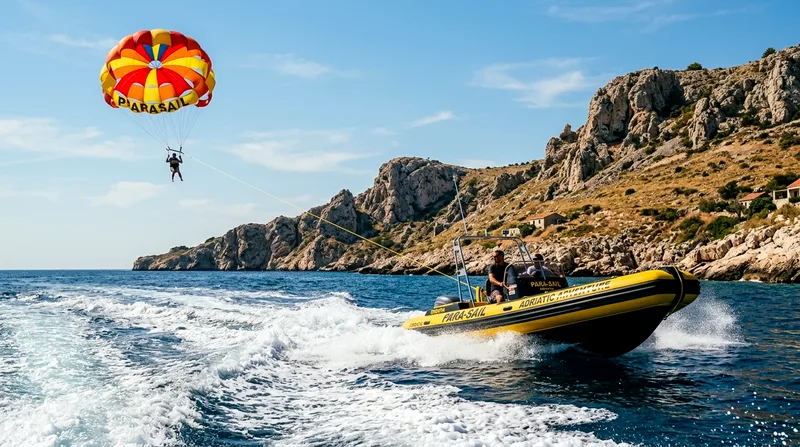
You board a motorboat from the beach or a jetty, get strapped into a harness attached to the parasail wing, and the boat accelerates — the canopy fills with air and lifts you off the back deck or a small platform. There's no sensation of falling because the ascent is gradual, usually over 15-30 seconds. Most flights sit between 100 and 200 meters above the water, though some operators offer higher options. You're not attached to the boat by a short rope dangling below a jet ski; it's a long tow line, often 60-90 meters, so the boat itself looks small beneath you. Landing is the reverse: the boat slows, the line is winched in, and you're lowered gently back onto the platform or occasionally dipped briefly into the water for effect, depending on the operator and conditions.
Why Marbella's Coastline Is Ideal
Wind patterns matter more than scenery for safety, and Marbella's bay is reasonably sheltered compared to more exposed stretches like Tarifa further down the Costa del Sol (not a parasailing destination for good reason — it's a wind-sports coast). Mornings are typically calmer here, which is why most operators push early slots. The water is also deep enough close to shore for boats to maneuver without the shallow sandbar issues you get near some Estepona beaches. If you're choosing between Marbella and Puerto Banús as a launch point, Puerto Banús offers marina glamour but busier boat traffic; Marbella's main beaches give the boat more open water to work with.
Height Options and Weight Restrictions
Parasailing heights in Marbella aren't usually something you pick off a menu like a restaurant order — they're more a function of line length, wind, and boat speed on the day. That said, most operators market tiered options, and it's worth knowing roughly what you're buying before you book.
Altitude Levels and Flight Duration
Standard single flights tend to top out around 100-150 meters, giving you a solid view of the coastline without feeling disorienting. Some operators advertise "high flight" packages reaching 200 meters or more, usually at a premium of roughly €10-20 over the base price. Total time on the water, including boarding, briefing, and the tow back to shore, runs about 30-45 minutes, but actual airtime — the part you're paying for — is typically just 8-12 minutes. If an operator promises 20+ minutes of pure flight time for a standard single-tow package, that's unusual and worth double-checking before paying; it likely includes boat transfer time, not airtime.
Safety Requirements and Physical Limits
Weight limits for Marbella parasailing generally run between a minimum of around 35-40 kg (so small children often need a tandem flight with an adult) and a maximum per harness of roughly 100-120 kg, though tandem and triple-rider setups redistribute weight across two canopuses or a bigger wing and can accommodate combined weights higher than that. Pregnant women, people with recent shoulder or back injuries, and anyone with uncontrolled heart conditions are routinely excluded — this isn't operator overcaution, it's standard across the Mediterranean including comparable setups near Málaga and Gibraltar's waterfront. Harnesses are inspected before each flight and lines are rated well above the stress a human body puts on them, but ask to see the harness fitted snugly before the boat moves; a loose harness is the single most common complaint in online reviews, more than weather cancellations.
How to Book and What to Expect
Booking Marbella parasailing is low-stakes compared to, say, reserving a yacht charter — there's rarely a need to commit weeks ahead, and cancellation policies tend to be forgiving because operators know wind can scrap a flight with no notice.
Independent Booking vs. Guided Tours
You can walk onto most main beaches in Marbella and book parasailing directly from a beach kiosk or boat operator on the day, usually paying cash or card on the spot. This is the cheapest route and gives you flexibility to wait for a calm morning. The trade-off is no guaranteed slot — on a busy August afternoon you might wait an hour. Booking through an aggregator like Viator or Yumping locks in a time slot and a published price, often with free cancellation up to 24 hours out, which suits travelers planning around a tight schedule or comparing it against other Costa del Sol excursions before a trip. The downside: aggregator prices sometimes run 15-25% higher than walking up at the beach, because you're paying for the booking convenience. If you're on a budget and have flexible days, skip the aggregator and book beachside.
Step-by-Step Experience Walkthrough
Expect a short safety briefing covering hand signals, harness checks, and what to do on landing — this takes five minutes, not thirty. You'll board the boat in groups of 2-6 depending on how many flyers are scheduled. The boat motors out a few hundred meters from shore before each launch, which itself takes in views most beachgoers never see. After your flight, you're usually brought straight back to shore rather than staying out for extra boat time, so don't expect this to double as a boat tour. Bring a GoPro or action camera with a wrist strap if you want photos — most budget operators don't include professional photography, and paying extra for their in-house photo package (commonly €15-25) is often worse value than your own footage.
Best Locations and Launch Points
Where you launch from affects crowding, scenery, and sometimes price more than which specific operator you choose.
Top Coastal Operators and Beaches
Playa de la Fontanilla and the beaches near Puerto Banús are the busiest launch points, with boats running flights through peak summer days. Launching near Puerto Banús gives you the marina and superyacht backdrop in photos, which some flyers prefer, but boat traffic is denser there than on quieter stretches east toward Marbella's old town beaches. If you're staying in Estepona or Fuengirola, note that parasailing operations exist there too, but Marbella's combination of scenery and operator density makes it the more established hub on this stretch of coast — reviews on TripAdvisor and Yumping skew more numerous and more detailed for Marbella operators than for smaller Estepona setups.
Seasonal Considerations and Weather
Parasailing runs roughly May through October in Marbella, with June to September as peak season when wind and sea conditions are most consistently calm. Outside that window, many operators simply don't run — don't expect to book parasailing in December, unlike, say, boat tours which can operate year-round in milder weather. Wind over about 20-25 km/h typically grounds flights for safety, and operators will usually offer a refund or reschedule rather than fly in marginal conditions. Morning slots, before early afternoon thermal winds pick up, are generally smoother than late afternoon.
Pricing and Ticket Information
Pricing for Marbella parasailing is fairly transparent compared to, say, private boat charters where quotes vary wildly — most operators publish a base rate per person.
Tandem flights offer the best per-person value, while high-altitude single flights cost the most for roughly the same airtime.
Marbella parasailing packages compared: height, duration, and typical price
| Package | Typical Altitude | Airtime | Price Range (per booking) |
|---|---|---|---|
| Single flyer (standard) | approx. 100-150m | 8-10 min | €45-65 |
| Single flyer (high altitude) | approx. 180-200m+ | 8-12 min | €60-85 |
| Tandem (2 people) | approx. 100-150m | 8-10 min | €80-110 total |
| Triple flight (3 people) | approx. 100-150m | 8-10 min | €130-160 total |
| Photo/video add-on | n/a | n/a | €15-25 |
Typical figures based on published Costa del Sol pricing patterns; confirm exact rates and altitude options with the operator before booking.
Package Types and Cost Ranges
A standard single-flyer package typically costs somewhere between €45 and €65. Tandem flights (two people sharing one wing) often run €80-110 total, which works out cheaper per person than flying solo twice. Triple flights, where capacity allows, push toward €130-160 total. Higher-altitude upgrades add roughly €10-20 on top of the base price. These figures sit in line with what you'd pay in Fuengirola or Benalmádena — parasailing pricing across the Costa del Sol is fairly standardized, so a large gap from these ranges in either direction is worth questioning rather than assuming it's a bargain.
What's Included and Add-ons
Base price covers the harness, briefing, boat transfer to the launch point, and the flight itself. It does not usually include photos or video — that's a common add-on, typically €15-25 for a photo package or slightly more for video. Life jackets are standard and included; some operators fold the parasail harness design so a life jacket isn't separately worn, which is normal, not a safety shortcut. Avoid any operator that tries to upsell "VIP priority boarding" for a basic beach activity like this — it's a sign of inflated add-on pricing rather than genuine extra value. Compare current boat tours and prices before you book, since beach-side rates can shift seasonally and aggregator listings on Viator or Yumping often show live availability for the week you're traveling.
Frequently asked questions
How much does parasailing in Marbella cost?
A single-flyer package typically costs €45-65, tandem flights run €80-110 total, and triple flights cost around €130-160. High-altitude upgrades add roughly €10-20. Beach-side bookings are often slightly cheaper than aggregator sites like Viator, which charge a bit more for guaranteed time slots.
What are the height and altitude options?
Standard Marbella parasailing flights reach about 100-150 meters, with some operators offering high-altitude flights of 180-200 meters or more for an extra fee. The actual height depends on line length, boat speed, and wind conditions on the day, so advertised altitudes are approximate rather than guaranteed.
Are there weight limits for parasailing?
Yes. Most operators set a minimum of roughly 35-40 kg and a maximum of around 100-120 kg per solo harness. Lighter children often need to fly tandem with an adult, and heavier individuals may need to check with the operator directly, since tandem or triple setups distribute weight differently than a single harness.
How long does a parasailing experience last?
The full outing, including boat transfer, safety briefing, and the flight itself, takes about 30-45 minutes. Actual time in the air is much shorter — typically 8-12 minutes — so don't book it expecting a long boat excursion; it's a quick, focused thrill rather than an extended trip.
Where do parasailing tours launch from in Marbella?
Most flights launch from main beaches like Playa de la Fontanilla or stretches near Puerto Banús, where boats have open water to maneuver. Puerto Banús launches give a marina backdrop but see more boat traffic; quieter beaches toward Marbella's old town offer a calmer launch with fewer other vessels around.