Marbella yacht charter with skipper explained: costs, routes, booking tips and why a captain matters more than the boat you pick.
What Is a Skippered Yacht Charter?
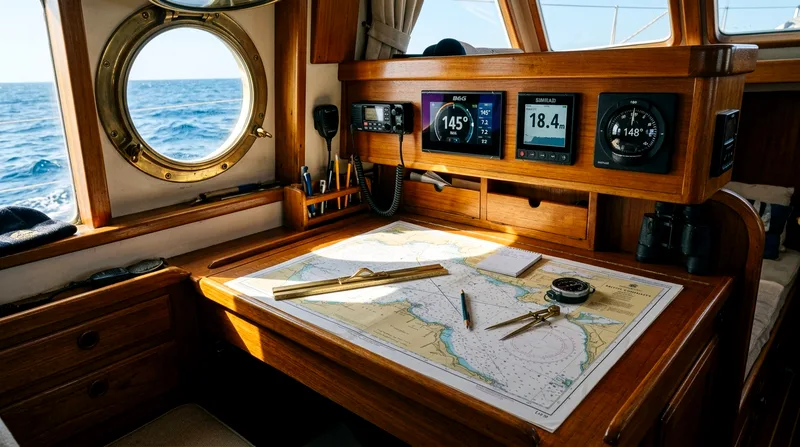
A Marbella yacht charter with skipper means you hire the boat and a professional captain together — you're a passenger, not the operator. This is different from a bareboat charter, where you rent the vessel alone and either sail it yourself or bring your own licensed skipper. In Marbella, the skippered model dominates the market for a simple reason: most visitors don't hold the sailing qualifications Spanish maritime law requires for the boat sizes typically chartered, and even those who do often prefer not to spend their holiday watching depth gauges.
The arrangement usually includes the yacht, fuel for a set number of hours (often capped around 3-4 hours for half-day trips), and the skipper's time. Food, drinks, and sometimes a hostess or deckhand are usually optional extras rather than automatic inclusions — always check the listing before assuming otherwise.
The role of the skipper
The skipper's job starts well before the boat leaves the dock. They check weather forecasts, inspect safety equipment, brief passengers on life jacket locations and emergency procedures, and hold ultimate authority over the route — if conditions turn or a guest requests something unsafe, the skipper can and should override it. On the water, they handle docking (often the hardest part of boating for amateurs, especially in a tight marina like Puerto Banús), anchoring, and reading local currents around headlands near Cabopino. A qualified skipper in Spain typically holds a Capitán de Yate or equivalent commercial license, plus VHF radio certification — ask your operator to confirm this before paying a deposit.
What's included in the service
Base packages generally cover the yacht, skipper, fuel allowance, and basic safety gear (life jackets, flares, first aid kit) as required by Spanish maritime authorities. What's often excluded: food and drink, water toys like paddleboards or jet skis, extra crew, and fuel beyond the agreed hours. Some operators quote "all-inclusive" prices that bundle soft drinks and snacks; others charge separately for everything beyond the bare charter. Read the inclusion list line by line — this is where quoted prices diverge most and where budget surprises happen.
Why Choose a Captain-Led Charter
I'd argue a captain-led charter is the right default for at least 80% of people booking a boat day in Marbella. The counterargument — that you lose some independence and pay more — is real, but it undersells what you're actually buying: someone else's liability, someone else's local knowledge, and someone else's stress.
Safety and local knowledge
The waters off Marbella aren't technically demanding most of the year, but local knowledge still matters — knowing where the swell builds near the Gibraltar Strait on windier days, which anchorages off Estepona hold well versus which drag in a west wind, and how marina traffic behaves around Puerto Banús on a busy Saturday. A skipper who works these waters weekly catches problems a visiting sailor wouldn't see coming. Insurance is the other piece people forget: most charter insurance policies in Spain require a licensed skipper aboard for coverage to apply fully, particularly for larger motor yachts. Skip the skipper on a bareboat deal without the right license, and you may be personally liable for damage the policy won't touch.
Ideal for non-sailors and groups
For groups — birthday charters, hen parties, family reunions — a skipper also functions as a de facto host, managing logistics so nobody in the group has to play captain and miss the day. This matters more than people expect; I've seen family charters where one person ends up stuck at the helm the entire afternoon while everyone else swims and drinks. A skippered booking removes that friction entirely. If your group is eight or more, confirm maximum passenger limits with the operator — Spanish regulations cap capacity by vessel size, and overbooking a boat isn't just uncomfortable, it's illegal.
Skippered vs. Bareboat: Key Differences
The two models suit different travelers, and conflating them is where people waste money or end up frustrated.
A skippered charter costs more upfront but removes licensing, liability and navigation burdens that bareboat renters must handle themselves.
Skippered vs. bareboat yacht charter in Marbella compared
| Charter Type | Qualification Needed | Typical Cost vs. Bareboat | Who Handles Navigation | Best For |
|---|---|---|---|---|
| Skippered charter | None | Baseline (higher) | Captain | Non-sailors, groups, celebrations |
| Bareboat (self-sail) | Valid sailing license (RYA/ICC or equivalent) | 20-30% lower, before insurance add-ons | You | Qualified sailors wanting control |
| Bareboat + hired skipper | None (skipper hired separately) | Similar to skippered package | Hired skipper | Sailors without local water experience |
Figures are typical ranges based on common Costa del Sol charter pricing structures; always confirm exact costs and inclusions when booking.
Cost comparison and value
Bareboat charters are cheaper upfront — you're not paying a day rate for crew — but the savings narrow once you add mandatory insurance supplements, a security deposit (sometimes €1,000-€3,000 held on a card), and the cost of hiring an external skipper if you don't hold a qualification yourself. A skippered half-day on a mid-size motor yacht in Marbella typically runs from a few hundred euros for smaller boats up toward €1,000-€2,000+ for larger luxury yachts with crew, depending on size, season, and inclusions. Bareboat rental of an equivalent boat might look 20-30% cheaper on paper, but factor in the skipper fee most insurers effectively require, and the gap often shrinks to not much at all.
Responsibility and flexibility
Bareboat gives you more flexibility in theory — you set the route minute by minute — but in practice most skippers are happy to adjust plans on request; they're not rigid tour guides. What you give up with skippered charter is legal responsibility, which for most people is a fair trade. If something runs aground or a guest gets injured, the skipper and operator carry the liability, not you. Choose bareboat only if you hold a genuine sailing qualification (RYA, ICC, or Spanish equivalent) and specifically want hands-on control — otherwise skippered is the more honest choice for both safety and cost.
How to Book Your Skippered Charter
Booking in Marbella happens through two broad channels, and which one you pick changes the experience more than people expect.
Independent booking vs. tour operators
Booking directly with a charter company gives you more room to negotiate extras — food, extra hours, specific routes — and often slightly better pricing since there's no intermediary markup. Booking through a tour platform or your hotel's concierge is simpler and usually includes customer support if something goes wrong, but expect a markup of roughly 10-20% for that convenience. For a first charter, I'd lean toward a reputable platform that lists verified operators with visible safety certifications — the slight premium buys peace of mind if you can't independently vet a company's license status.
What to expect during booking
Expect to provide passenger numbers, preferred dates, and sometimes a deposit (often 20-50% upfront, balance due before boarding or on the day). Reputable operators will ask about swimming ability, any mobility issues, and whether children will be aboard — if nobody asks you these questions, treat it as a mild red flag. Confirm cancellation terms before paying: weather cancellations in Marbella are common enough in winter that a fair operator should offer a reschedule or refund, not just forfeit your deposit.
Best Time and Routes in Marbella
Timing changes both the price and the experience substantially on this coast.
Seasonal considerations
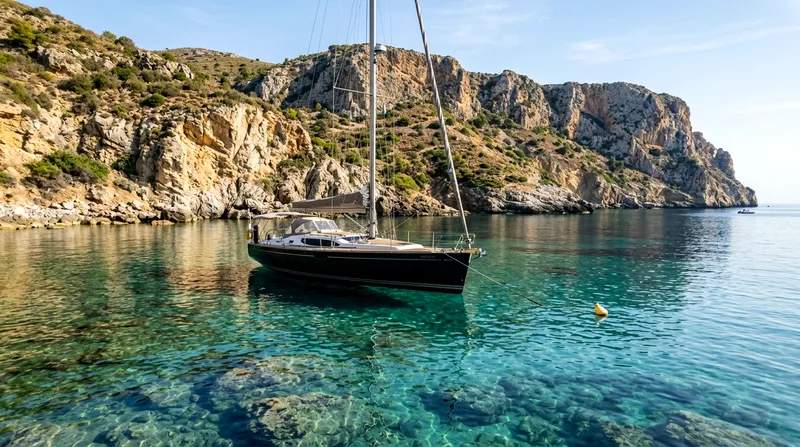
May through September gives the calmest seas and most reliable sun, with July and August commanding peak prices and the busiest marinas — Puerto Banús in August can feel more like a traffic jam than a getaway. Shoulder months (May, June, September, early October) offer nearly identical weather with noticeably lower rates and quieter anchorages. Winter charters are possible and can be cheaper, but the Mediterranean here turns unpredictable from November through February, with more days cancelled for wind — don't book a December charter assuming it will run as planned.
Popular sailing destinations
A common half-day route runs from Marbella's marina past Puerto Banús, with its wall-to-wall superyachts, toward Cabopino Beach and its quieter dunes. Full-day charters often extend west toward Estepona, trading crowd-watching for calmer water and views of the Ojén Mountains inland. Heading further toward the Gibraltar Strait is possible on longer charters but adds significant transit time and exposes you to stronger currents — only worth it if you specifically want to say you've seen the Rock from the water. Eastbound toward Málaga is less common for day charters simply because of the distance, though some operators offer it as a full-day or overnight option.
Nearby Experiences and Add-Ons
A skippered charter rarely needs to be the whole day — most operators build in stops that make the time on board feel longer than it is.
Coastal attractions and stops
Anchoring off Cabopino for a swim break is standard on half-day routes, and it's genuinely one of the better stops — clearer water than directly off Marbella's main beach strip. Some charters pause near Puerto Banús for photos of the marina's superyacht row before continuing on; skip this if you've already walked the marina on foot, since the view from water adds little beyond the obvious scale. Longer charters toward Estepona sometimes include a slow pass along the cliffs, with the Ojén Mountains visible inland — a nice contrast shot if you care about photos.
Dining and water activities
Many skippers will anchor for an hour so guests can snorkel or use inflatable toys if the boat carries them — confirm this is included, since some operators charge separately for paddleboard or snorkel gear rental. Onboard catering ranges from a simple cooler of drinks and tapas to a full pre-ordered lunch with a hired chef on larger yachts; the latter adds meaningfully to cost but removes the need to plan a restaurant stop. If budget matters, bring your own food and drinks where the operator allows it — many do, and it's the easiest way to cut cost without touching the charter itself.
Frequently asked questions
Do I need sailing experience for a skippered charter?
No. That's the entire point of hiring a skipper — they handle navigation, docking, and safety decisions. You can board with zero sailing background and still have full use of the boat for swimming, sunbathing, and cruising the coast.
What is the price difference between skippered and bareboat charters?
Bareboat typically runs 20-30% cheaper on the base rate, but once you add required insurance supplements and a security deposit, the real gap narrows. If you'd need to hire an external skipper for a bareboat anyway, the total cost often ends up close to a standard skippered package.
What does the skipper handle during the charter?
The skipper manages route planning, docking and anchoring, weather monitoring, safety briefings, and all legal responsibility for the vessel. They also adjust plans on request — most are flexible about stopping for swims or changing the route if conditions allow.
What is the best season for yacht charters in Marbella?
May through September offers the calmest seas and most consistent sun. Shoulder months like June and September give nearly the same weather with lower prices and less crowded marinas than peak July-August.
Can I customize the route on a skippered charter?
Generally yes, within reason. Most skippers will adjust the itinerary toward Cabopino, Puerto Banús, or Estepona based on guest preference, but the final call on route and timing stays with the skipper if weather or safety is a concern.