Book a Marbella deep sea fishing tour for tuna, swordfish, and marlin. Learn what gear is provided, best months to fish, and how to book.
What Is a Marbella Deep Sea Fishing Tour
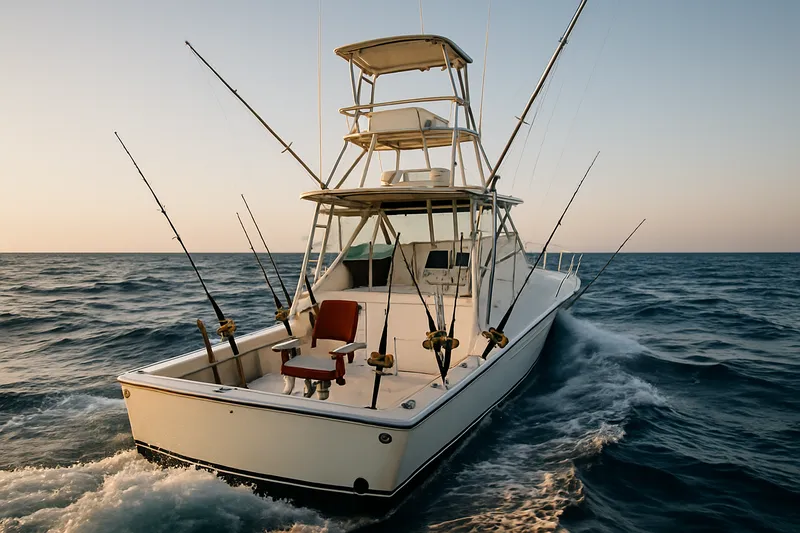
A Marbella deep sea fishing tour takes anglers out past the coastal shelf into the open Mediterranean, where depths drop fast and the fish on offer change completely from what you'd catch casting off the rocks at Puerto Banús or the Marbella harbor wall. These trips use purpose-built sport fishing boats, typically 30 to 45 feet, rigged with outriggers, fighting chairs on the larger vessels, and trolling gear meant for fish that pull hard and run far.
I'd separate these trips into two real categories, and operators don't always make the distinction obvious when selling you a ticket. One is a straightforward half-day trip that trolls lures a few miles out, mostly picking up bonito, small tuna, or dorado depending on the month. The other is a dedicated big game charter — fewer operators run these, they cost more, and they're built around a genuine shot at bluefin tuna, marlin, or swordfish. If landing a trophy fish is the whole point of your trip, ask directly what species the boat has caught in the last few weeks, not just what's listed on the tour description.
Compare this to Gibraltar, where strait currents push baitfish through a narrower channel and create some unpredictable but occasionally spectacular tuna action, or to Estepona, which has a smaller charter fleet but faster access to deeper water since the shelf drops off closer to shore there. Marbella sits in between — decent depth within a reasonable run, more boat choice than Estepona, and calmer logistics than fighting Gibraltar's shipping traffic and permit requirements.
Independent vs. Guided Tour Options
Going independent means chartering a bareboat or bringing your own vessel, which almost nobody does for genuine offshore big game fishing here — the tackle, the local knowledge of thermoclines and bait balls, and the safety margin of a crew who fishes these waters weekly matter too much. A guided tour with a skipper and at least one mate is the standard and sensible choice for the vast majority of visitors, including experienced anglers who just don't know the local grounds. The only scenario where independent fishing makes sense is if you already own or have access to a properly rigged sport boat and know the area — otherwise you're paying for inferior gear and guessing at location, which is a poor trade for the money saved.
Typical Tour Duration and Distance Offshore
Half-day trips run about 4 to 5 hours and usually stay within 3 to 8 nautical miles of the coast, enough to reach decent depth without burning the whole day in transit. Full-day charters, which is what you want for a real shot at tuna or marlin, run 8 to 10 hours and can push 15 to 25 nautical miles offshore, sometimes further if the crew is chasing a known bait concentration. Longer range means more fuel cost baked into the price, so a full-day big game charter will run noticeably more than a half-day troll trip — budget accordingly and ask upfront how many miles out the boat typically runs.
Target Species: Tuna, Swordfish, and Marlin
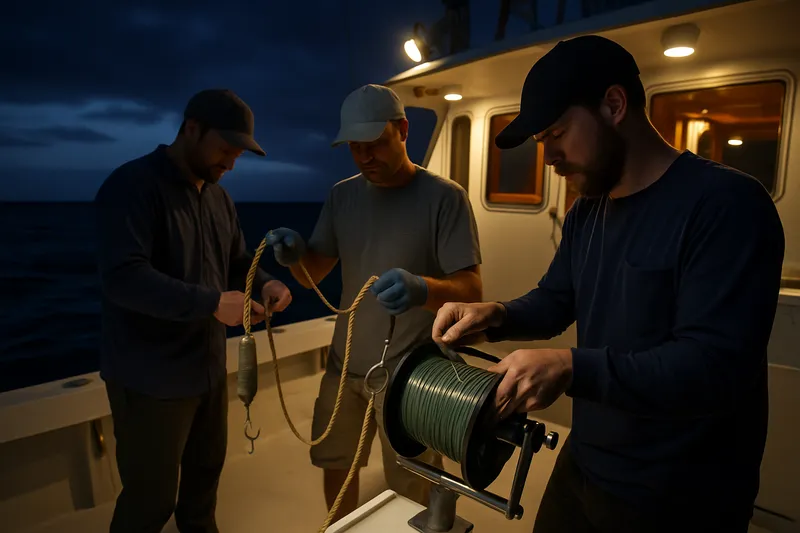
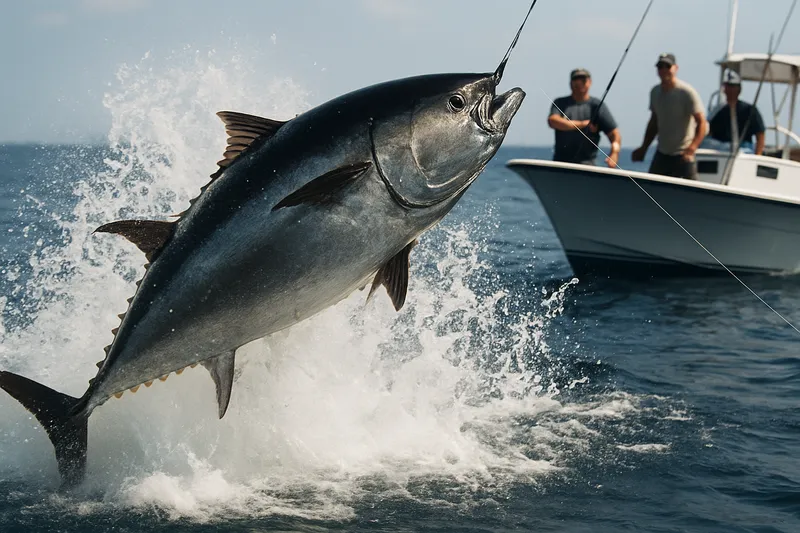
The headline species for sport fishing Marbella and the wider Costa del Sol are Atlantic bluefin tuna, swordfish, and occasional marlin passing through Mediterranean waters during warmer months. Bluefin are the most realistic target and the one most operators build their marketing around — these fish migrate through the western Mediterranean and can show up in serious numbers relative to the other two species. Swordfish are caught mostly at night or in the very early morning using deep drop techniques, which is a different style of fishing than daytime trolling and not every boat offers it. Marlin are the rarest of the three in these waters; you're more likely to hear about one caught near Gibraltar's strait currents than off Marbella directly, so don't book a trip assuming marlin is a given.
Smaller but still worthwhile catches on a standard trip include bonito, little tunny, dorado (mahi-mahi) in late summer, and occasional amberjack around structure. If an operator promises marlin on every single trip, be skeptical — that's not how pelagic migration works anywhere in the Mediterranean, and anyone claiming otherwise is overselling.
Peak Seasons for Each Species
Bluefin tuna season in this part of the Mediterranean generally runs from June through October, with July and August considered the strongest window as fish move through on their feeding migration. Swordfish are more of a year-round possibility given their deep, cooler habitat, but summer nights with calm seas make the deep-drop technique far more manageable for a charter crew. Marlin sightings, when they happen, cluster around the warmest months too — July through September — though I wouldn't plan a trip around marlin specifically given how infrequent confirmed catches are compared to Atlantic hotspots.
Tackle Requirements by Target Fish
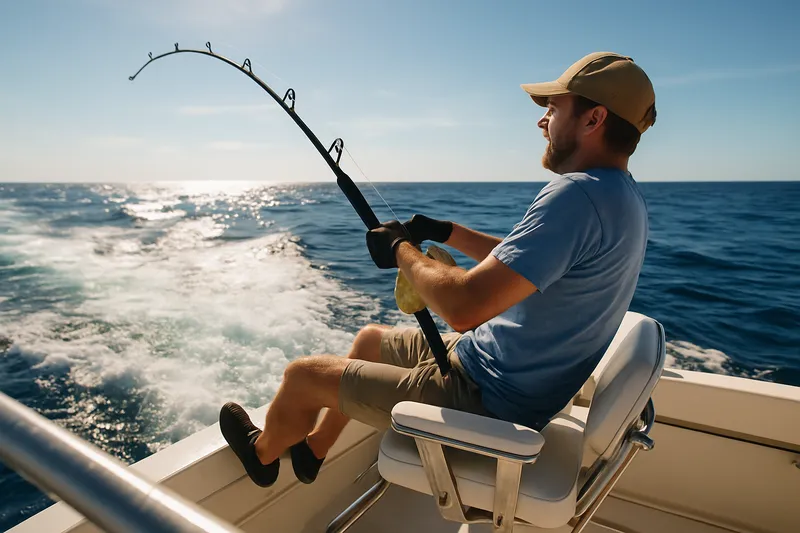
Tuna fishing calls for heavy trolling setups — think 50 to 80 lb class rods and reels loaded with braided line backing, since a bluefin can strip several hundred yards in a single run. Swordfish deep-drop rigs use electric or heavy manual reels capable of sending bait 300 to 600 meters down, paired with wire leader to handle the fish's bill and teeth. Lighter spinning or jigging gear, in the 20 to 30 lb range, handles bonito, dorado, and smaller tunny just fine and is what you'll use most of a standard half-day trip. A legitimate big game operator should have the heavy tackle on board as standard — if they don't, they're not really equipped for tuna, whatever the brochure says.
How to Book Your Fishing Tour
Booking a Marbella deep sea fishing tour is straightforward, but the decision that matters most is matching the trip type to what you actually want to catch. A family outing for a few hours trolling near the coast is a different purchase than a dedicated full-day tuna charter, and conflating the two leads to disappointment on both sides — the family finds the trip too long and expensive, the serious angler finds it too short and too close to shore.
Booking Platforms and Tour Operators
Most visitors book through online marketplaces that list several Marbella-based charter operators side by side, which makes comparing trip length, group size, and target species easier than calling around individually. Some operators also take direct bookings through their own sites or by phone from the marina. Either way, check current prices and departure times when booking rather than relying on anything printed months earlier — fuel costs and seasonal demand shift pricing more than people expect, especially from June through August when boats fill up fastest. Compare current boat tours and prices before you commit, and read the trip description closely for stated target species and maximum group size rather than just the headline photo of someone holding a tuna.
What to Expect on Booking Day
Arrive at the marina 20 to 30 minutes before departure — most charters leave from Puerto Deportivo de Marbella or nearby Puerto Banús, and parking near the docks can eat into that buffer during high season. Crew will run through a short safety briefing, cover rod handling if anyone's new to trolling, and confirm the day's target based on recent reports and sea conditions. Bring sun protection, non-slip shoes, and motion sickness tablets taken at least 30 minutes before boarding if you're prone to it — taking them once you're already feeling queasy does almost nothing. Full-day trips usually include a simple lunch; half-day trips often don't, so ask when booking.
Best Season and Months to Fish
Timing matters more for deep sea fishing than almost any other boat activity in Marbella, because you're chasing migratory fish rather than a fixed attraction. June through September is the core window most operators and anglers treat as prime season, driven by bluefin tuna presence and generally calmer sea states that make full-day offshore runs more comfortable.
June through September offers the best bluefin tuna odds and calmest seas, while winter trips trade fewer big fish for lower prices and open availability.
Marbella deep sea fishing tour seasons compared by target species and conditions
| Season | Target Species | Sea Conditions | Booking Lead Time | Relative Price |
|---|---|---|---|---|
| June-September (peak) | Bluefin tuna, dorado, marlin (rare) | Calm, stable | 2-3 weeks ahead | Highest |
| May-early June (shoulder) | Early tuna, bonito, dorado | Generally calm | 1-2 weeks ahead | Moderate |
| October-November (shoulder) | Swordfish, bottom species | Variable | Few days ahead | Moderate-low |
| December-April (low season) | Bottom fish, occasional swordfish | Rougher, less predictable | Often available last-minute | Lowest |
Typical seasonal patterns; actual fish presence and sea conditions vary year to year, so confirm current reports with the operator before booking.
Summer Peak Season Advantages
July and August bring the most consistent tuna activity and the calmest average sea conditions, which matters when you're running 15 to 25 nautical miles offshore in a 35-foot boat. Daylight hours are longer too, giving full-day charters more fishing time before the return run. The trade-off is availability — boats book out further in advance, and prices sit at their highest point of the year. If you're set on tuna specifically, this is the window to target, but book at least two to three weeks ahead rather than hoping to walk up.
Winter and Shoulder Season Opportunities
October through April sees far fewer tuna but opens up more consistent bottom fishing and some swordfish deep-drop opportunities, plus noticeably lower prices and zero booking pressure. Sea conditions are also rougher and less predictable in winter, and some smaller operators pause big game trips entirely until spring. May and early June form a decent shoulder window — tuna haven't fully arrived yet, but seas are calmer than peak summer and crowds are thinner. If you're flexible on species and more interested in a quieter day on the water at a lower price, shoulder season is the better value, though don't expect it to rival Rota or Barbate further along the Atlantic coast for sheer tuna volume.
What Gear and Equipment Is Provided
Standard charters include all fishing tackle as part of the price — rods, reels, line, lures, and bait are the operator's responsibility, and you shouldn't need to bring your own unless you have a strong preference for a specific setup. This is worth confirming at booking though, since a small number of budget trips charge extra for bait or tackle rental.
Rods, Reels, and Tackle Included
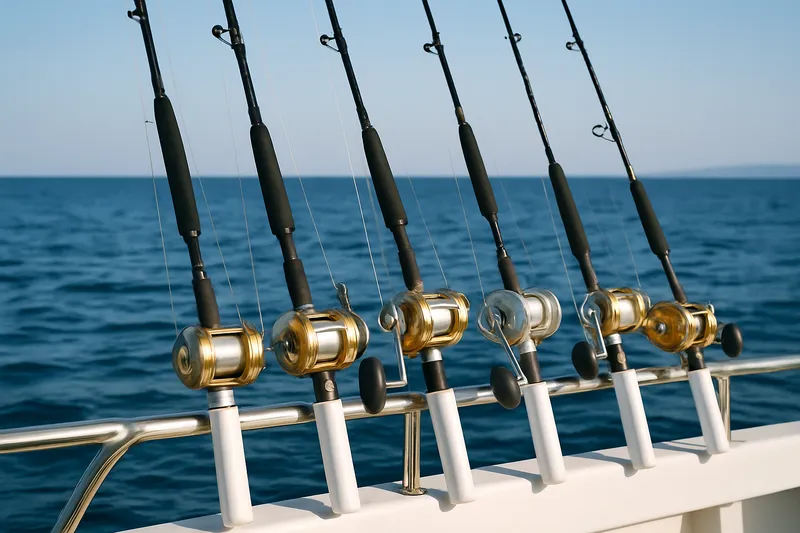
Expect a mix of trolling rods rigged with lures or rigged bait for tuna and smaller pelagics, plus bottom rigs if the crew plans to fish structure between trolling passes. Reels on proper big game boats are conventional lever-drag reels capable of holding enough line for a long tuna run — spinning reels alone aren't sufficient for serious tuna fishing. Swordfish deep-drop trips use specialized electric reels given the depth involved; manually cranking several hundred meters of line is exhausting and slow, so ask whether the boat has electric reels if swordfish is your target.
Safety Equipment and Personal Gear
Life jackets are mandatory and provided on every licensed charter — a boat without them visible on deck is a red flag worth walking away from. Bring your own sunscreen, polarized sunglasses, a hat, and a light jacket even in summer since it's noticeably cooler and windier a few miles offshore than on the beach. Closed-toe non-slip shoes matter more than people expect; wet fiberglass decks get genuinely slippery when a fish is on and everyone's moving. Don't bring a cheap handheld GPS or your own rod expecting the crew to rig it mid-trip — stick with what's provided unless you've cleared it with them beforehand.
Frequently asked questions
What fish species can I catch on a Marbella deep sea fishing tour?
Atlantic bluefin tuna is the main target during summer, with swordfish caught via deep-drop techniques and occasional marlin sightings in warmer months. Smaller catches like bonito, little tunny, dorado, and amberjack round out most trips, especially on half-day charters that stay closer to shore.
What is the best time of year to book a deep sea fishing tour in Marbella?
June through September is peak season for bluefin tuna and offers the calmest sea conditions for full-day offshore trips. May and October are solid shoulder-season options with lower prices and thinner crowds, though tuna numbers drop off outside the summer window.
Do I need a fishing license for offshore fishing in Marbella?
No — on a licensed commercial charter, the boat operates under its own fishing permit, which covers passengers on board. You don't need a personal Spanish fishing license for a guided recreational charter trip, though this changes if you're fishing independently from your own private vessel.
What fishing gear and equipment is provided on the tour?
Rods, reels, line, lures, bait, and life jackets are included on standard charters. Heavy trolling setups handle tuna, while swordfish trips typically use electric deep-drop reels. Confirm at booking whether bait is included, since a few budget operators charge it separately.
How far offshore do Marbella deep sea fishing tours travel?
Half-day trips generally stay within 3 to 8 nautical miles of the coast, while full-day big game charters chasing tuna or swordfish can run 15 to 25 nautical miles out, occasionally further depending on where bait and fish are concentrated that day.