Book a Marbella dolphin watching boat tour with sighting tips, best months to visit, responsible operators, and ticket prices. Complete guide inside.
What Is a Marbella Dolphin Watching Tour
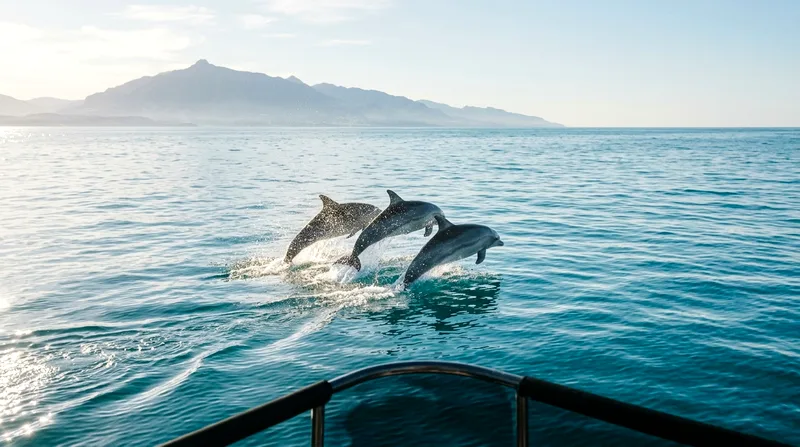
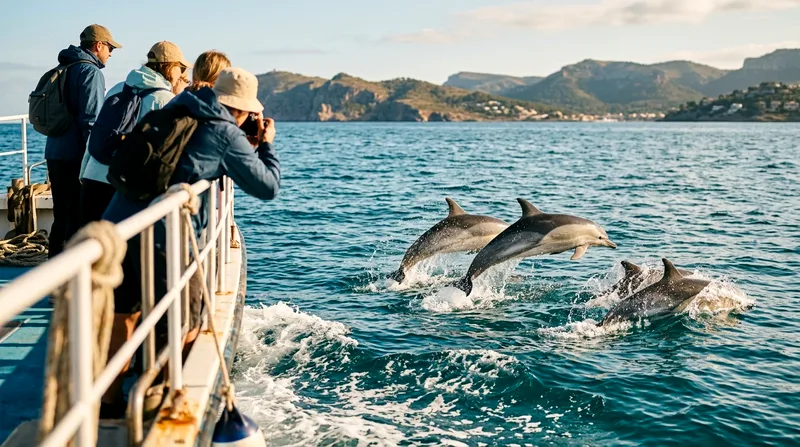
A Marbella dolphin watching boat tour is a sea excursion, typically lasting two to three hours, that heads out from Marbella's marina or nearby Puerto Banús into the open water between the coast and the Gibraltar Strait, looking for wild dolphin pods. It's not a theme-park encounter — there's no touching, no feeding, and no tank. You're on a moving boat scanning open sea, which is part of the appeal and part of the trade-off.
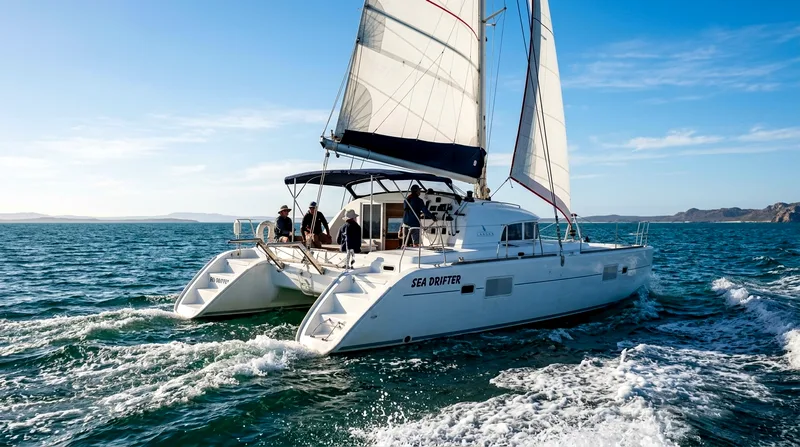
Most operators run the trip on a catamaran, sometimes a Catamaran Lagoon 380 or similar model, chosen because the twin-hull design gives a stabler ride than a monohull sailboat and more deck space for passengers to spread out and watch the water. Smaller RIB (rigid inflatable boat) tours also exist and move faster, which some operators argue improves the odds of reaching a sighting before the pod moves on — though a faster boat also means a bumpier ride for anyone sensitive to motion.
Marine wildlife and dolphin species
The species you're most likely to see is the common bottlenose dolphin, present year-round in the waters off the Costa del Sol and the wider Alboran Sea. Short-beaked common dolphins and striped dolphins also pass through this stretch, particularly closer to the Gibraltar Strait where the Mediterranean meets the Atlantic and nutrient-rich currents attract more marine life generally. Pilot whales and even orcas have been spotted on rare occasions on trips that run further toward Gibraltar, though don't book expecting that — it's an outlier, not a planning assumption.
Why choose a boat tour
You can't realistically see dolphins from shore in Marbella — they stay out past the swimming zones, usually a mile or more offshore, sometimes much further. A boat is the only practical way to get into their actual range. The honest case for a guided tour over any shore-based alternative: you get local knowledge of where pods have been feeding recently, which matters more than any technology, since dolphins don't follow a schedule and crews that run the route daily genuinely learn their patterns.
How to Visit: Independent vs. Guided Tours
You have two real options here, and they're not equally good. You can charter or rent a private boat and search for dolphins yourself, or you can join a scheduled group tour with a skipper who does this daily. For nearly everyone reading this, the guided option is the smarter choice — and I'd say that even setting aside cost.
A shared guided catamaran tour from Marbella offers the best balance of cost, dolphin-finding expertise, and trip length for most visitors.
Marbella dolphin watching: guided tour vs. private charter vs. nearby alternatives
| Option | Typical Cost (per adult) | Duration | Dolphin Sighting Odds | Best For |
|---|---|---|---|---|
| Marbella guided catamaran tour | €25-45 | 2-3 hours | High (80-90% in season) | Families, first-timers |
| Marbella private charter | €300-600+ (whole boat) | Half/full day | Variable, no guarantee | Groups wanting full control |
| Gibraltar dolphin tour | €30-40 | 1.5-2 hours | Very high (near Strait currents) | Dedicated wildlife spotters |
| Fuengirola/Benalmádena coastal cruise | €20-35 | 1.5-2.5 hours | Low (not dolphin-focused) | Scenic sightseeing, not wildlife |
| Sotogrande boat excursion | €35-50 | 2-3 hours | Moderate | Quieter marina departure |
Prices and durations are approximate ranges as of 2024-2025; always check current listings for exact figures before booking.
Self-guided boat rental options
Private boat rental is available out of Puerto Deportivo Marbella and Puerto Banús, with skippered day charters running from roughly €300 to €600+ depending on boat size and duration, plus bareboat rental if you hold the right license. The problem: you're paying charter rates with no dolphin expertise built in, and you'll likely spend hours cruising blind. Rental operators aren't marine biologists, and most captains on standard day-charter contracts aren't incentivized to chase wildlife — that's not their job on a general rental. If you already have your own boat or sailing experience and just want open water for the day, fine. If dolphins are the actual goal, this is the expensive, inefficient route.
Guided tour advantages and operators
A scheduled dolphin watching tour costs a fraction of a private charter and puts you on a boat with a crew whose entire business depends on finding dolphins consistently. They know the recent feeding grounds, communicate with other boats on the water, and often carry a naturalist or guide who narrates sightings and explains behavior — information you simply won't get self-navigating. The trade-off is you share the deck with other passengers, usually somewhere between 20 and 60 depending on vessel size, and you don't control the route. For the price difference, that's a trade I'd take almost every time.
Tickets, Pricing and Booking Options
Pricing for a Marbella dolphin watching boat tour sits in a fairly predictable band, and if a listing looks dramatically cheaper than everything else on the page, read the fine print before you book — it's usually a shorter route or a larger, less maneuverable boat.
Typical cost ranges and inclusions
Expect to pay somewhere between €25 and €45 per adult for a standard shared catamaran tour of two to three hours, with children usually discounted 20-30%. Premium sunset or smaller-group RIB tours can run higher, sometimes €50-€70, trading group size for speed and a more personal pace. Most tickets include the boat trip itself and a soft drink or water; some add a glass of cava or sangria on sunset departures. Snorkeling gear, lunch, or hotel pickup are usually extras, not inclusions — don't assume they're bundled unless the listing says so explicitly.
Where to book and cancellation policies
Booking platforms like GetYourGuide and Viator list multiple Marbella dolphin tours side by side, which makes comparing departure points, durations, and boat type straightforward before you commit. TripAdvisor is worth checking separately for recent passenger reviews — specifically comments about whether dolphins were actually seen on recent dates, since sighting frequency can shift by season even within the same operator's route. Most listings on these platforms offer free cancellation up to 24 hours before departure, which is worth prioritizing given how often these trips get rescheduled for wind or swell. Always compare current boat tours and prices before you book, since rates shift with season and demand.
Best Months and Seasonal Timing
Timing matters more for comfort and sea conditions than it does for the dolphins themselves, since bottlenose dolphins are resident in these waters all year. What changes seasonally is how pleasant the boat ride is and how calm the water stays, which indirectly affects how easy sightings are to spot and photograph.
Peak sighting months and success rates
Most operators report sighting success somewhere in the 80-90% range across the year, dipping in winter months when fewer trips run and rougher seas push dolphins into different feeding patterns. May through September is generally considered the strongest window for the best time dolphin watching Marbella has to offer, partly because calmer seas mean the boat can hold position longer near a pod without passengers getting thrown around. Early morning departures, when they're offered, tend to catch calmer water and more active feeding behavior than mid-afternoon runs.
Weather and sea conditions by season
Summer (June-September) brings the calmest seas and the most tour departures, but also the most crowded boats — book a few days ahead in August. Spring and early autumn (April-May, October) offer a good middle ground: fewer tourists, still-reasonable sea states, cooler but comfortable air temperatures on deck. Winter runs exist but are weather-dependent and get canceled more often due to wind through the Gibraltar Strait corridor, which funnels and amplifies gusts along this stretch of coast. If your schedule is fixed and you can't easily rebook, winter is the riskier season to count on.
Nearby Add-Ons and Coastal Experiences
Most dolphin tours bookend nicely with a few hours on land before or after, since departure points sit close to Marbella's more walkable coastal attractions.
Puerto Banús and marina visits
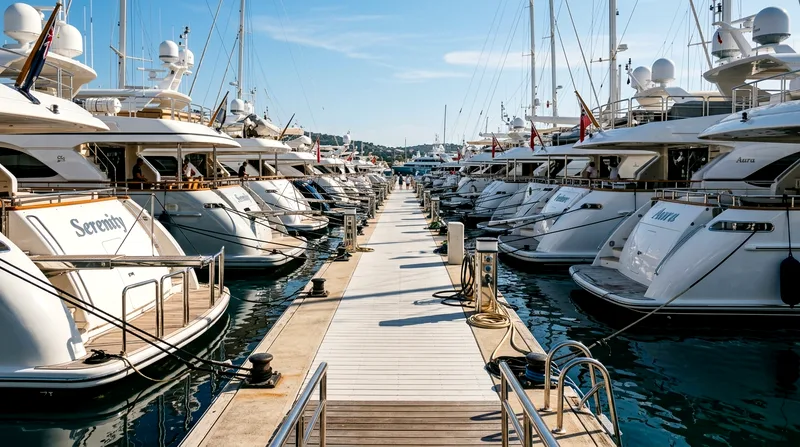
Many tours depart directly from Puerto Banús, a marina better known for superyachts and designer storefronts than fishing boats. If you're arriving early, walk the marina first — it's free, it's five minutes from most departure gates, and it gives a sense of the yacht culture that defines this stretch of the Costa del Sol. Compare that to Puerto Deportivo Marbella's harbor, which is smaller, less flashy, and a better bet if you want a quieter coffee before boarding rather than window-shopping past boutiques.
Coastal landmarks and scenic routes
Routes toward the Gibraltar Strait pass dramatic coastal scenery and occasionally the Rock of Gibraltar itself on clear days, though that's typically only on longer specialty tours, not the standard 2-3 hour Marbella departure. If dolphins and bigger marine life are your main priority, a dedicated day trip from Gibraltar or Tarifa (further west) generally posts higher sighting rates than Marbella, simply due to proximity to the Strait's currents — worth considering if you're staying along the coast for a week and have flexibility. For a shorter, scenic alternative without the dolphin focus, boat trips from Fuengirola or Benalmádena toward Málaga's bay cover different coastline but skip the open-water search entirely.
Frequently asked questions
What month is best for dolphin watching in Marbella?
May through September generally offers the calmest seas and highest number of tour departures, which translates to better sighting conditions. Dolphins are present year-round, but rough winter seas make boats less stable and cancellations more frequent, so summer and early autumn are the safer bet if sightings are your priority.
How long is a typical dolphin watching tour?
Most standard tours run two to three hours, departing from Marbella's marina or Puerto Banús. Sunset tours can run slightly shorter, while some combination trips pairing dolphin watching with snorkeling or a coastal cruise extend to four hours or more.
What is the success rate for dolphin sightings?
Operators commonly report sighting rates around 80-90% during peak season (May-September), with lower odds in winter due to rougher seas and fewer departures. No operator can honestly guarantee a sighting on any single trip, since dolphins are wild and move with feeding patterns, not schedules.
Where do dolphin watching tours depart from?
Most depart from Puerto Banús or Puerto Deportivo Marbella, both a short drive or taxi from central Marbella. Some operators also run trips from Fuengirola or further toward Gibraltar for travelers staying elsewhere along the Costa del Sol.
What should I look for in a responsible operator?
Check that the operator states a low-speed, no-chase approach policy near pods and keeps a reasonable distance rather than circling dolphins repeatedly. Recent TripAdvisor reviews mentioning respectful distance-keeping, rather than just "we saw dolphins," are a decent signal the crew prioritizes the animals over forcing close photo opportunities.